How to Build Credit as a Beginner (Simple Guide)
A comprehensive, step-by-step guide to building excellent credit from scratch, even if you've never had a credit card or loan before.
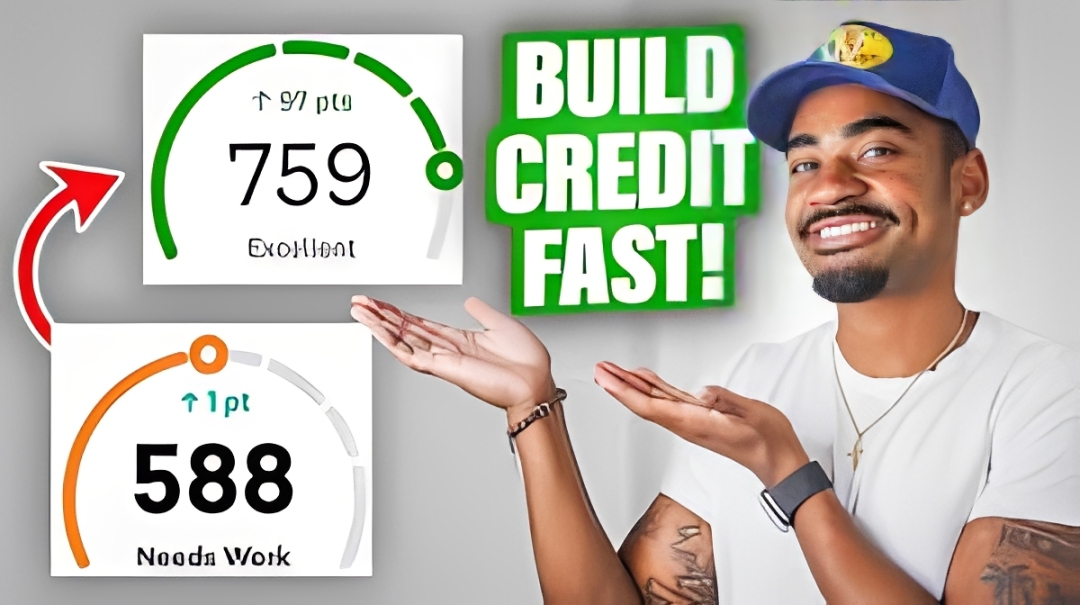
Building credit from scratch can feel overwhelming, but it doesn't have to be complicated. Your credit score is one of the most important financial tools you'll ever have—it affects your ability to rent apartments, get car loans, qualify for mortgages, and even impacts your insurance rates and job prospects. The good news? Anyone can build excellent credit with the right strategy, regardless of their starting point. This comprehensive guide walks you through exactly how to build credit as a beginner, from understanding what credit scores mean to implementing proven strategies that take you from no credit to a 750+ score.
What Is a Credit Score and Why Does It Matter?
Your credit score is a three-digit number (typically ranging from 300 to 850) that represents your creditworthiness—essentially, how likely you are to repay borrowed money. Lenders, landlords, insurance companies, and even some employers use this score to make decisions about you.
Here's how credit score ranges break down:
- 300-579: Poor credit (high risk to lenders)
- 580-669: Fair credit (below average)
- 670-739: Good credit (average to above average)
- 740-799: Very good credit (above average)
- 800-850: Exceptional credit (significantly above average)
The two most common credit scoring models are FICO and VantageScore. While they use slightly different calculations, they both consider similar factors. Most lenders use FICO scores, but understanding both helps you build comprehensive credit health.
What Factors Affect Your Credit Score?
Understanding what influences your credit score is crucial to building it effectively. Here are the five main factors:
1. Payment History (35% of Your Score)
This is the most important factor. It tracks whether you pay your bills on time. Even one missed payment can significantly damage your score, while consistent on-time payments steadily improve it.
Key point: Payment history includes credit cards, loans, mortgages, and even some utility bills reported to credit bureaus.
2. Credit Utilization (30% of Your Score)
This is the ratio of your credit card balances to your credit limits. For example, if you have a $1,000 credit limit and a $300 balance, your utilization is 30%.
Ideal target: Keep utilization below 30% across all cards, and ideally below 10% for the best scores.
3. Length of Credit History (15% of Your Score)
This measures how long you've had credit accounts. Older accounts boost your score, which is why you shouldn't close your first credit card (even if you don't use it much).
Average age matters: Opening many new accounts quickly can lower your average account age.
4. Credit Mix (10% of Your Score)
Having different types of credit (credit cards, auto loans, student loans, mortgages) shows you can manage various types of debt responsibly.
Don't force it: Only take out credit you actually need. This factor is less important than the others.
5. New Credit Inquiries (10% of Your Score)
When you apply for credit, lenders perform a "hard inquiry" on your credit report. Too many inquiries in a short period can lower your score temporarily.
Soft inquiries don't count: Checking your own credit or pre-approval offers don't affect your score.
How to Build Credit From Scratch: The Complete Strategy
Step 1: Get a Secured Credit Card (The Foundation)
If you have no credit history, a secured credit card is usually your best starting point. Unlike traditional credit cards, secured cards require a refundable security deposit (typically $200-500) that becomes your credit limit.
Best Secured Credit Cards for Beginners (2025):
- Discover it Secured: Cashback rewards, no annual fee, deposit refund after 8 months of responsible use
- Capital One Platinum Secured: $49-200 deposit for $200 credit line, reports to all three bureaus
- Chime Credit Builder: No deposit required, no interest, no fees (technically not a traditional secured card)
How to use your secured card effectively:
- Make small purchases monthly ($10-50)
- Pay the full balance every month before the due date
- Keep utilization below 30% (ideally below 10%)
- Set up autopay for at least the minimum payment as a safety net
Step 2: Become an Authorized User
Ask a family member or trusted friend with excellent credit to add you as an authorized user on their credit card. You'll benefit from their positive payment history and credit age without needing to use the card.
Important considerations:
- Choose someone with a long history of on-time payments
- Ensure their card issuer reports authorized users to credit bureaus (most do)
- Their utilization ratio will affect you, so pick someone who keeps balances low
- You don't need the physical card—the account history is what matters
Pro Tip: The Authorized User Boost
Being added as an authorized user on an old, well-managed account can instantly add years to your credit history. If your parent has a card from 15 years ago with perfect payment history, that entire history can appear on your credit report within 30-60 days.
Step 3: Report Rent and Utility Payments
Most rent and utility payments don't automatically appear on credit reports, but services like Experian Boost, Rent Reporters, and RentTrack can add them. This gives you credit for payments you're already making.
Services to consider:
- Experian Boost (Free): Adds utility, phone, and streaming service payments to your Experian credit report
- Rent Reporters ($9.95/month): Reports rent payments to TransUnion
- RentTrack ($6.95/month): Reports to all three major credit bureaus
Step 4: Take Out a Credit-Builder Loan
Credit-builder loans are specifically designed to help people build credit. Unlike traditional loans where you receive money upfront, with credit-builder loans you make payments first, and receive the money at the end.
How it works:
- You apply for a credit-builder loan ($300-1,000 typical amounts)
- The lender puts the money in a locked savings account
- You make monthly payments for 6-24 months
- Each payment is reported to credit bureaus, building your credit
- When you finish, you get the full amount plus any interest earned
Where to get credit-builder loans:
- Credit unions (often have the best terms)
- Community banks
- Online lenders like Self, MoneyLion, or Credit Strong
Step 5: Practice Perfect Payment Discipline
Since payment history is 35% of your score, never miss a payment. Set up multiple safeguards:
- Autopay: Set minimum payments on autopay as a backup
- Calendar reminders: Set alerts 5 days before due dates
- Pay early: Make payments as soon as you receive your statement
- Payment apps: Use apps like Prism or Mint to track all bills
Timeline: How Long Does It Take to Build Credit?
Building credit from scratch takes time, but you can see progress faster than you might think:
Realistic Credit Building Timeline
- Month 1-3: Establish your first credit account. Your score won't appear yet—you need at least 6 months of credit history for most scoring models.
- Month 4-6: Your first credit score appears! Expect it to be in the 600-660 range initially.
- Month 7-12: With consistent on-time payments and low utilization, you can reach the 670-700 (good credit) range.
- Year 2: Continue responsible habits to reach 720-750 (very good credit).
- Year 3+: With age, diverse credit types, and perfect payment history, you can achieve 760+ (excellent credit).
Common Credit-Building Mistakes to Avoid
Carrying a balance to "build credit faster"
Myth: You need to carry a balance and pay interest to build credit. Reality: Pay your full balance every month. You'll build credit just as effectively without wasting money on interest.
Applying for too many cards at once
Multiple hard inquiries in a short period lower your score and signal financial desperation to lenders. Space out applications by at least 6 months.
Closing your first credit card
Closing old accounts reduces your credit history length and available credit. Keep your first card open even if you rarely use it.
Maxing out your credit cards
High utilization (above 30%) significantly hurts your score. If you must use cards heavily, make mid-cycle payments to keep reported balances low.
Not checking your credit reports
Errors on credit reports are common and can drag down your score. Check your reports free at AnnualCreditReport.com every 4 months (rotate through the three bureaus).
Advanced Strategies for Faster Credit Building
The Multiple Payment Strategy
Credit utilization is calculated based on the balance reported to credit bureaus, which is typically your statement balance. By making payments before your statement closes, you can keep your reported utilization artificially low.
How to do it:
- Find out your statement closing date (different from payment due date)
- Make a payment 2-3 days before the statement closes to reduce the reported balance
- Pay the remaining balance before the due date to avoid interest
Request Credit Limit Increases
After 6-12 months of responsible credit use, request a credit limit increase (without a hard inquiry if possible). This immediately lowers your utilization ratio without changing your spending.
Example: If you have a $1,000 limit with a typical $300 balance (30% utilization), increasing to a $2,000 limit drops you to 15% utilization—a significant score boost.
The "Piggybacking" Method
Beyond becoming an authorized user through family, some services (like Tradeline Supply Company) allow you to pay to be added as an authorized user on strangers' accounts with excellent credit. This is legal but controversial and expensive ($200-500 per tradeline).
Our take: Only consider this if you need a quick score boost for a specific purpose (like qualifying for a mortgage) and have exhausted other options.
How to Monitor Your Credit Progress
Tracking your credit allows you to see improvements and catch errors early. Here are the best free tools:
Best Free Credit Monitoring Services
- Credit Karma: Free TransUnion and Equifax scores, weekly updates
- Experian (free account): Free Experian FICO score, monthly updates
- Credit Sesame: Free TransUnion score with identity theft insurance
- Your credit card company: Many cards (Discover, Capital One, Chase, Amex) offer free FICO scores
What to Do If You Have Bad Credit or Past Mistakes
Already have negative marks on your credit? Don't panic—you can recover. Negative items have varying impacts over time:
- Late payments: Stay on your report for 7 years but impact decreases significantly after 2 years
- Collections: Remain for 7 years; negotiate "pay for delete" if possible
- Bankruptcy: Chapter 7 stays for 10 years, Chapter 13 for 7 years
- Foreclosure: Stays for 7 years but impact diminishes over time
Recovery strategy:
- Stop the bleeding—bring all current accounts up to date
- Focus on building new positive history to dilute the impact of old negatives
- Dispute any inaccurate information on your credit reports
- Consider a secured card even with bad credit—most secured card issuers accept applicants with scores as low as 550
When Should You Apply for Your First Unsecured Credit Card?
After 6-12 months of responsible secured card use, you'll likely qualify for unsecured credit cards with better rewards and no deposit requirement.
Signs you're ready:
- Your credit score is 650+
- You've had at least one credit account for 6+ months
- You've never missed a payment
- Your utilization is consistently below 30%
Good starter unsecured cards:
- Discover it Cash Back: 5% rotating categories, no annual fee
- Capital One QuicksilverOne: Flat 1.5% cashback, $39 annual fee
- Chase Freedom Unlimited: 1.5% cashback on everything (requires good credit, 670+)
Need Tech on a Budget?
Building credit is just one part of financial wellness. Check out our shop for refurbished laptops, phones, and accessories at up to 50% off retail—perfect for stretching your budget while you build your credit.
Shop Refurbished Tech →Your 12-Month Credit Building Action Plan
Here's a month-by-month roadmap to take you from no credit to good credit:
Months 1-2: Foundation Phase
- Apply for a secured credit card
- Become an authorized user on someone's account
- Sign up for Experian Boost and add utility payments
- Set up autopay and calendar reminders
Months 3-6: Establishment Phase
- Make 100% on-time payments (never miss one!)
- Keep utilization below 30%
- Consider a credit-builder loan
- Check your credit reports for errors
Months 7-9: Growth Phase
- Your credit score should now be visible (expect 620-680)
- Request a credit limit increase on your secured card
- Continue perfect payment history
- Monitor your scores monthly
Months 10-12: Expansion Phase
- Apply for your first unsecured credit card (if score is 650+)
- Graduate your secured card to unsecured if eligible
- Continue responsible credit habits
- Your score should be approaching 700 by month 12
Conclusion
Building credit from scratch is a marathon, not a sprint. The strategies in this guide—starting with a secured card, becoming an authorized user, reporting rent payments, using credit-builder loans, and maintaining perfect payment discipline—will set you on the path to excellent credit within 1-2 years.
Remember: credit building is about consistent, responsible behavior over time. There are no shortcuts to a legitimately high credit score, but by following these proven methods, you'll establish a strong financial foundation that opens doors for decades to come.
Start with just one action today—apply for a secured credit card or ask a trusted family member about becoming an authorized user. That single step begins your journey from no credit to financial opportunity.
Frequently Asked Questions
Can I build credit without a credit card?
Yes! Credit-builder loans, reporting rent payments through services like Rent Reporters, and becoming an authorized user on someone's account all build credit without requiring you to have your own credit card. However, credit cards are usually the fastest and most accessible method.
How long does it take to get a 700 credit score from scratch?
With perfect credit management, you can realistically reach a 700 score in 12-18 months from opening your first account. Your first score will appear after 6 months (typically 620-670), and consistent responsible use gets you to 700+ by the end of year two.
Does checking my own credit score hurt it?
No. When you check your own credit score or report, it's called a "soft inquiry" and has zero impact on your score. Only "hard inquiries" from applying for credit affect your score, and even those have minimal impact (usually 5-10 points temporarily).
Should I pay interest to build credit faster?
Absolutely not. This is one of the biggest credit myths. Carrying a balance and paying interest does not help your credit any more than paying your full balance every month. Save money and pay in full—your credit will build just as effectively.
What's the fastest way to build credit from nothing?
The fastest strategy combines multiple approaches simultaneously: 1) Get a secured credit card, 2) Become an authorized user on an old, well-managed account, 3) Take out a credit-builder loan, and 4) Report rent payments through a service. Using all four methods together can help you establish a 680+ score within 8-10 months.
Can I build credit with a debit card?
No, debit cards don't report to credit bureaus because they're not credit—you're using your own money. However, some fintech companies like Chime offer "Credit Builder" programs that function like secured credit cards and do report to bureaus.
What credit score do I need to rent an apartment?
Most landlords look for scores of 620-650 minimum, though requirements vary by location and landlord. Some will accept lower scores with a larger security deposit or co-signer. Building to 650+ opens most rental opportunities.
How much should I spend on my first credit card?
Start small with $10-50 in monthly purchases—just enough to keep the account active. The key is keeping utilization low (under 30% of your limit) and paying the full balance every month. You don't need to spend a lot to build credit effectively.