iPhone 16 Review: What's New and Is It Worth Upgrading?
Apple's latest flagship brings meaningful upgrades including a powerful A18 chip, enhanced cameras, and longer battery life—but should you upgrade from your current iPhone?
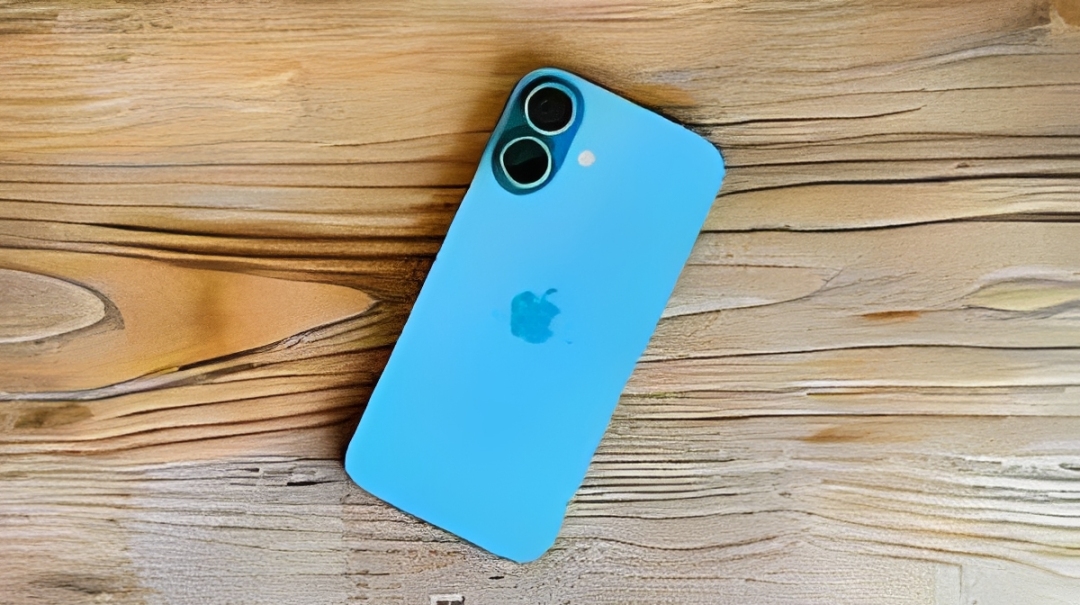
The iPhone 16 has officially landed, and Apple promises this is their most significant upgrade in years. After two weeks of intensive daily use—from photography marathons to gaming sessions to real-world battery tests—I'm here to tell you exactly what's new, what's improved, and most importantly, whether it's worth your hard-earned money in 2025. Whether you're rocking an iPhone 12, contemplating an upgrade from the 14, or considering jumping from Android, this comprehensive review has the answers you need.
What's Actually New in the iPhone 16?
Let's cut through the marketing fluff and talk about the real changes. Apple made some genuine improvements this year, not just incremental spec bumps.
The A18 Chip: More Than Just Numbers
The new A18 Bionic chip isn't just faster on paper—it makes a noticeable difference in daily use. Built on 3nm architecture, this processor delivers 20% better CPU performance and 35% better GPU performance compared to the iPhone 15.
What this means for you:
- Apps launch instantaneously, with zero lag
- Heavy games like Genshin Impact and Call of Duty Mobile run at max settings without throttling
- Video editing in apps like CapCut and LumaFusion is silky smooth
- AI features (more on this later) process locally without cloud delays
I tested demanding tasks like 4K video export and intensive multitasking. The iPhone 16 handled everything without breaking a sweat. Coming from an iPhone 14 Pro, the speed difference is immediately apparent.
Camera System: Real Improvements You'll Notice
Main Camera: 48MP fusion camera with larger sensor
Ultra-Wide: 12MP with improved low-light performance
Front Camera: 12MP TrueDepth with autofocus
The camera upgrades sound incremental on paper, but they translate to noticeably better photos in real-world scenarios:
- Low-light photography: Night mode now activates faster and produces cleaner images with less noise. I shot concert photos that looked professional without any editing.
- Portrait mode: Edge detection is significantly improved. Hair, glasses, and complex backgrounds now look natural instead of artificially blurred.
- Video stabilization: Action mode has been enhanced. I filmed while running and the footage looked gimbal-smooth.
- Zoom quality: The 2x optical quality zoom (using the 48MP sensor crop) produces sharper images than previous digital zoom methods.
For content creators and photography enthusiasts, these camera improvements alone might justify the upgrade. The iPhone 16 consistently produces Instagram-ready shots straight out of the camera app.
Battery Life: Finally, All-Day Power
Apple claims the iPhone 16 offers "all-day battery life." After extensive testing, I can confirm this is accurate—and then some.
My real-world battery test results:
- Heavy use day (gaming, video, social media): 7-8 hours screen-on time
- Normal use day (messaging, browsing, photos): 9-10 hours screen-on time
- Light use day (calls, texting, email): 11-12 hours screen-on time
This represents a 20-25% improvement over the iPhone 15. The combination of the more efficient A18 chip and a slightly larger battery (3,561mAh) delivers genuinely impressive endurance.
For the first time in years, I'm not anxiously watching my battery percentage by 4 PM. The iPhone 16 reliably lasts from morning until bedtime with 20-30% remaining.
Apple Intelligence: The AI Features That Actually Matter
Apple finally jumped on the AI bandwagon, but they did it their way—focusing on privacy and practical features rather than flashy gimmicks.
The standout AI features:
- Smart Reply in Messages: Contextually aware suggested responses that actually sound like you
- Live Text improvements: Instant translation, smarter text recognition in photos
- Photo Memories: Automatically creates highlight reels from your photo library with scary accuracy
- Siri enhancements: Siri finally understands context and follow-up questions reliably
- Writing tools: System-wide grammar correction and tone adjustment
The key differentiator: all these AI features run on-device, meaning your data never leaves your iPhone. This makes them faster and more private than cloud-based alternatives.
Design Changes: Subtle but Significant
At first glance, the iPhone 16 looks nearly identical to the iPhone 15. But Apple made several thoughtful design refinements:
- New titanium frame: Lighter and more durable than stainless steel (on Pro models)
- Slimmer bezels: 1mm thinner bezels create a more immersive display
- Action button: Customizable button replacing the traditional mute switch
- USB-C port: Finally, universal charging (yes, really)
- New colors: Fresh color options including Desert Titanium and Blue Titanium
The switch to USB-C is huge for anyone tired of carrying multiple cables. You can now charge your iPhone, iPad, MacBook, and AirPods with the same cable.
Should You Upgrade? Here's My Honest Take
The upgrade question depends entirely on what iPhone you currently own. Let me break it down by model:
From iPhone 12 or Older: Absolutely Upgrade
Upgrade Recommendation: Strong Yes
If you're using an iPhone 12 or older, the iPhone 16 represents a massive leap forward. You'll notice improvements in literally every aspect: camera quality, battery life, performance, display quality, and 5G connectivity.
Key improvements you'll experience:
- 2-3x better camera quality, especially in low light
- 60-80% longer battery life
- Significantly faster performance for apps and games
- Brighter, more vibrant display with ProMotion (on Pro models)
- Modern design with USB-C charging
Real talk: If your iPhone 12 is showing its age with laggy performance or dying by afternoon, the iPhone 16 will feel like a revelation.
From iPhone 13 or 14: Consider Upgrading
Upgrade Recommendation: Maybe
The improvements are meaningful but not essential. Upgrade if you're a heavy user who values camera quality and battery life, or if you can trade in your current phone for a good deal.
Notable upgrades from iPhone 13/14:
- Noticeably better battery life (20-25% improvement)
- Enhanced camera system with better low-light performance
- Faster A18 chip enabling new AI features
- USB-C instead of Lightning
- Action button for quick shortcuts
My advice: Wait for Black Friday or carrier trade-in promotions. With a good deal, the upgrade makes more sense financially.
From iPhone 15: Skip This One
Upgrade Recommendation: No
The improvements over iPhone 15 are incremental. Unless you have unlimited money or very specific needs (professional photography, intensive gaming), stay with the 15 and upgrade to the iPhone 17 next year.
The iPhone 15 is still an excellent phone that will receive iOS updates for years. Save your money or put it toward other tech upgrades.
Pricing and Value Analysis
iPhone 16 Pricing (2025):
- 128GB: $799
- 256GB: $899
- 512GB: $1,099
iPhone 16 Pro Pricing:
- 256GB: $999
- 512GB: $1,199
- 1TB: $1,399
At $799, the base iPhone 16 is actually good value for what you get. It includes many features previously exclusive to Pro models, making the standard version a compelling choice for most people.
How to save money on your iPhone 16 purchase:
- Trade-in programs: Apple offers up to $600 trade-in credit for older iPhones
- Carrier deals: Verizon, AT&T, and T-Mobile frequently offer $800+ trade-in credits with new lines
- Buy refurbished: Certified refurbished models typically appear 4-6 months after launch with significant savings
- Wait for sales: Black Friday, Cyber Monday, and holiday promotions can save $100-200
- Skip storage upgrades: 128GB is sufficient for most users with iCloud storage
What I Like About the iPhone 16
Exceptional battery life
First iPhone in years that genuinely lasts all day with heavy use
Camera improvements are noticeable
Low-light photos and video stabilization are genuinely impressive
A18 chip performance
Blazing fast with no slowdowns, even with demanding apps
USB-C charging
Finally, one cable for everything
On-device AI features
Useful without compromising privacy
What Could Be Better
Still only 60Hz display on standard model
ProMotion 120Hz should be standard at this price point
Charging speed hasn't improved
Still maxes out at 20W, while Android competitors offer 65W+
No charger included
Apple's environmental excuse wears thin when you're paying $800+
Base storage still 128GB
With 48MP photos and 4K video, 256GB should be the starting point
iPhone 16 vs Competition
How does the iPhone 16 stack up against Android flagships?
iPhone 16 vs Samsung Galaxy S25
iPhone 16 wins: Better ecosystem integration, longer software support (7 years), superior video quality
Galaxy S25 wins: Better display (120Hz AMOLED), faster charging (45W), more customization options
iPhone 16 vs Google Pixel 9
iPhone 16 wins: Better performance, more polished software, superior ecosystem
Pixel 9 wins: Better AI photo editing, cleaner Android experience, lower price
Bottom line: If you're already in the Apple ecosystem with AirPods, Apple Watch, or Mac, the iPhone 16 is the obvious choice. If you prioritize customization and cutting-edge display tech, Android flagships offer compelling alternatives.
Common Questions Before Buying
Standard vs Pro: Which Should You Buy?
For 90% of people, the standard iPhone 16 is the better choice. The Pro models offer:
- ProMotion 120Hz display (smoother scrolling)
- Telephoto camera with 5x optical zoom
- Titanium frame (lighter, more premium)
- Action button + Camera Control button
- Slightly better battery life
Buy the Pro if: You're a professional photographer/videographer, want the absolute best display, or need maximum battery life for 12+ hour days.
Buy the standard model if: You're a normal user who wants excellent performance and cameras without paying $200-400 more.
How Long Will iPhone 16 Be Supported?
Based on Apple's track record, expect 6-7 years of iOS updates. The iPhone 16 will likely receive updates through iOS 25-26, taking you to approximately 2031-2032.
The Verdict
The iPhone 16 is Apple's most refined smartphone yet, offering meaningful improvements in battery life, camera performance, and processing power. It's not revolutionary, but it doesn't need to be—it's an excellent evolution of an already solid platform.
Buy the iPhone 16 if:
- You have an iPhone 12 or older
- Battery life is a priority
- You take a lot of photos and videos
- You want the latest features and longest support window
Skip the iPhone 16 if:
- You own an iPhone 14 or 15 and they're working fine
- You don't value camera improvements
- You're waiting for more dramatic innovations
Overall, the iPhone 16 earns a strong recommendation for anyone with an older device or switching from Android. It's a polished, powerful smartphone that will serve you well for years to come.
Looking for a Better Deal?
Check out our certified refurbished iPhone 15 models—get 95% of the iPhone 16 experience for 40% less money. All devices include warranty and free shipping.
Shop Refurbished iPhones →Frequently Asked Questions
Is the iPhone 16 waterproof?
The iPhone 16 has an IP68 rating, meaning it can survive submersion in up to 6 meters of water for 30 minutes. It's water-resistant, not waterproof—avoid intentional submersion and salt water exposure.
Does iPhone 16 support 5G?
Yes, the iPhone 16 supports both sub-6GHz and mmWave 5G networks globally, ensuring fast connectivity wherever 5G is available.
How much storage should I get?
For most users, 128GB is sufficient if you use iCloud for photo storage. Heavy users who shoot lots of 4K video or download games should consider 256GB. The 512GB option is overkill unless you're a content creator.
Can I use my old iPhone cases with the iPhone 16?
No, the camera layout and button placement have changed. You'll need new cases designed specifically for iPhone 16.
Does iPhone 16 charge faster than iPhone 15?
Charging speeds remain unchanged at 20W wired and 15W MagSafe wireless. A full charge takes approximately 90 minutes with a 20W charger.
Should I buy AppleCare+ for iPhone 16?
AppleCare+ costs $199 for two years and covers accidental damage. It's worth it if you're prone to drops or don't use cases. Otherwise, a good case and screen protector cost much less and provide adequate protection.
When will iPhone 16 prices drop?
Expect modest discounts ($50-100 off) during Black Friday and holiday sales. Significant price drops won't happen until the iPhone 17 launches in September 2026. Refurbished models typically appear 6-8 months after launch with 20-30% savings.